Science and Art Exhibitions on climate change
Dear2050
Our expertise
Art & Science
Dear2050 connects art, science and the public by combining current research with contemporary art. Through artist residencies, long-term projects, immersive exhibitions and a wide range of events, we make science accessible to a broad audience.
Past exhibitions
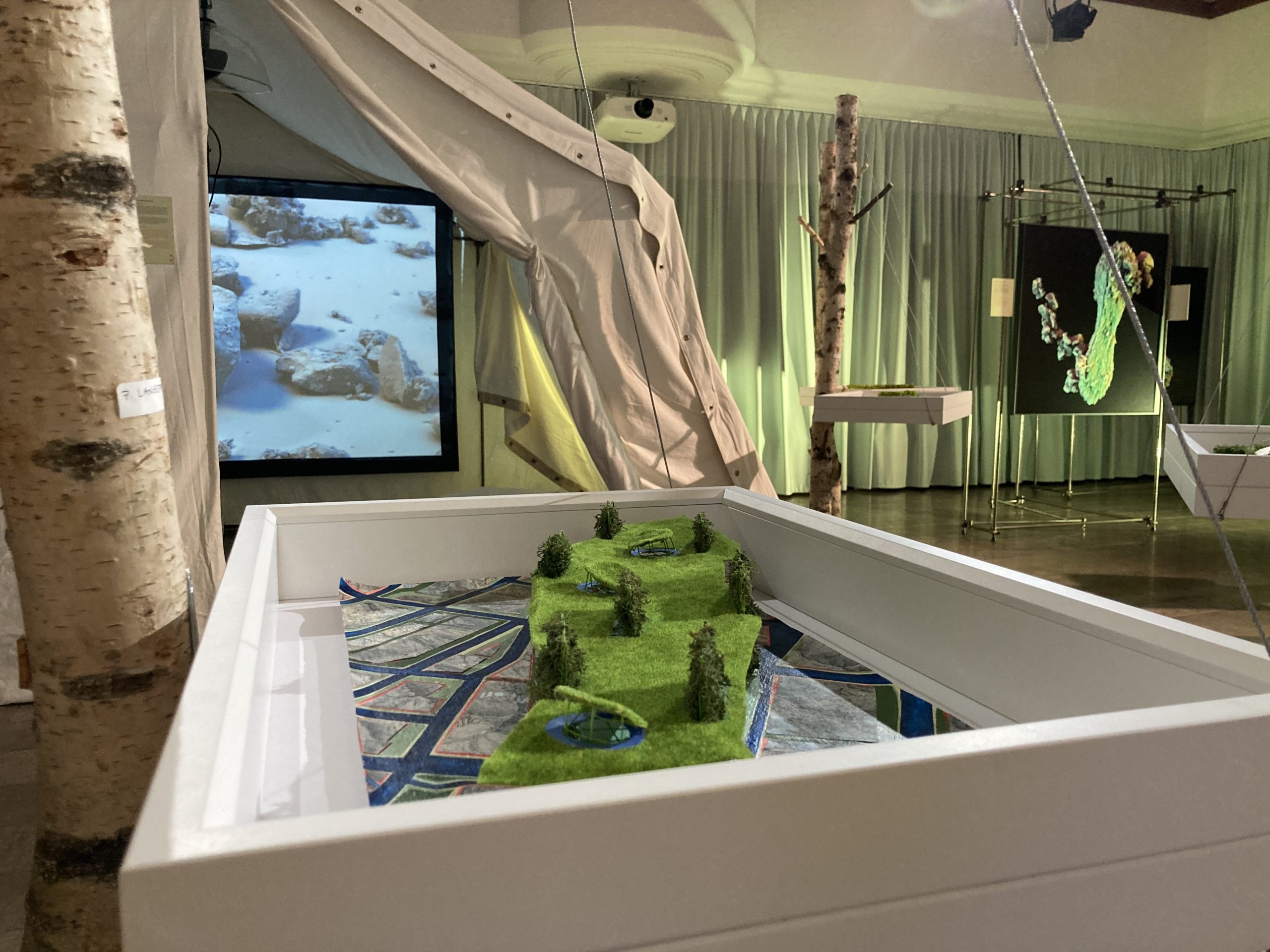
ARBOREAL FUTURES
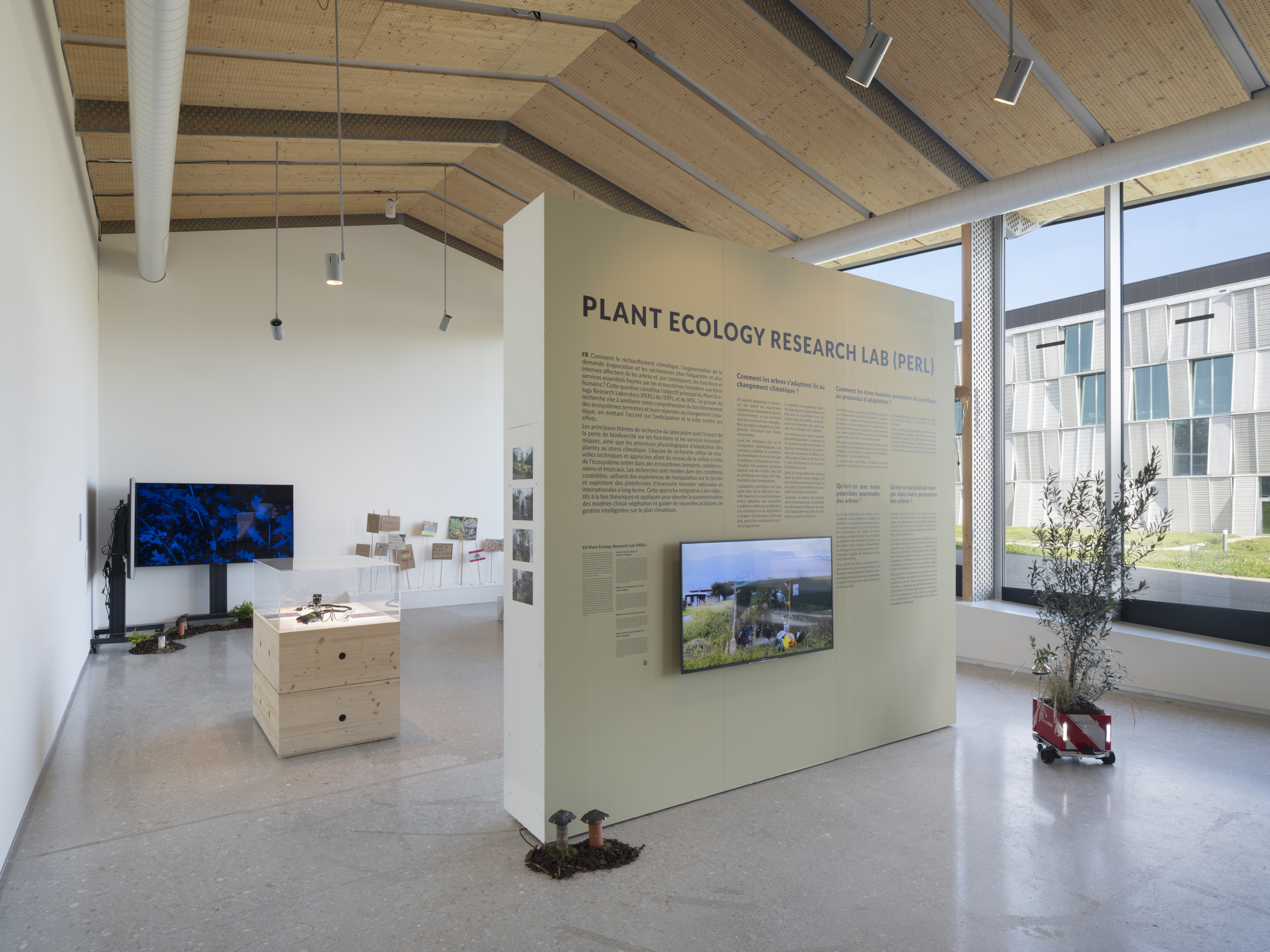
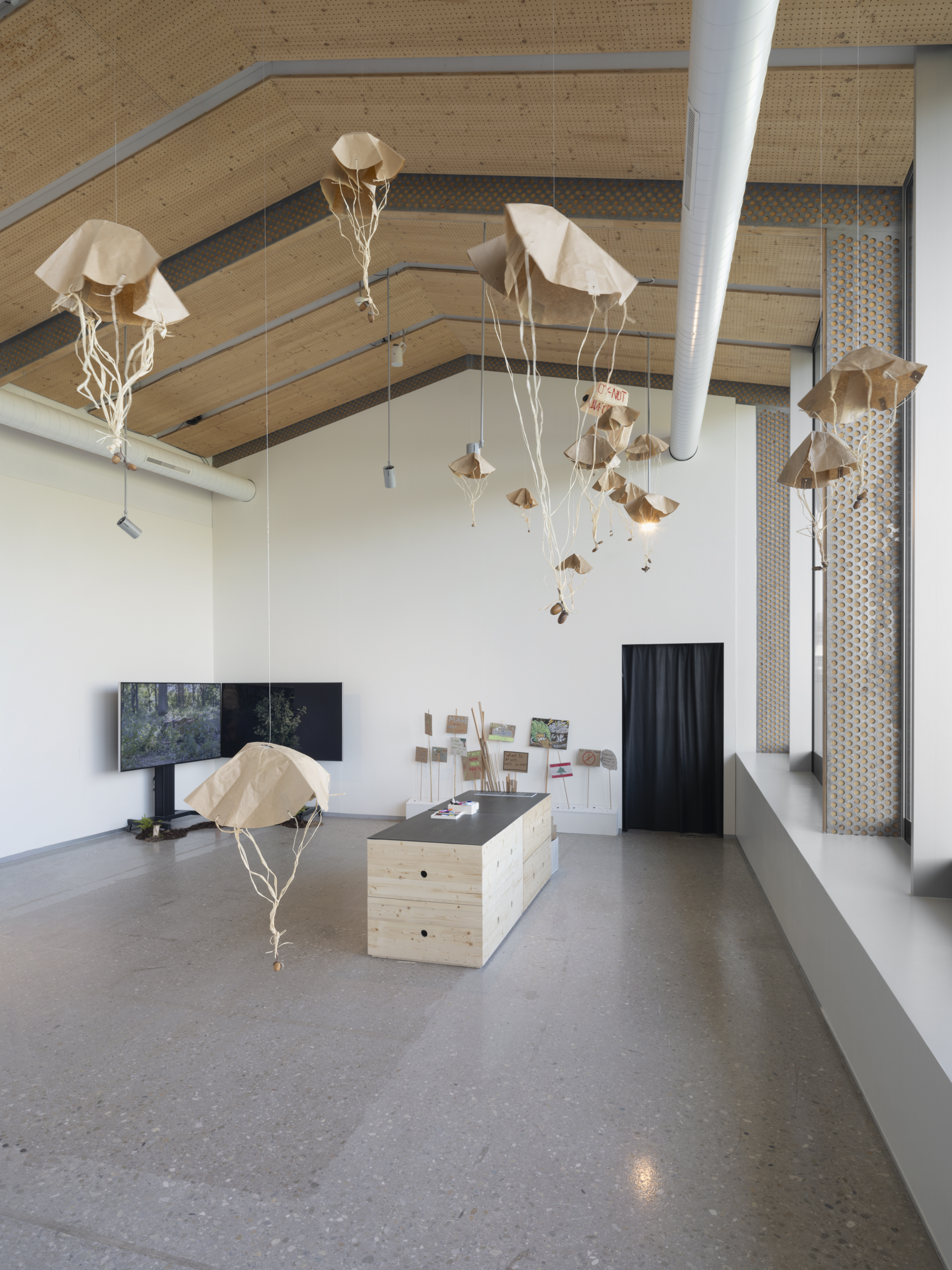
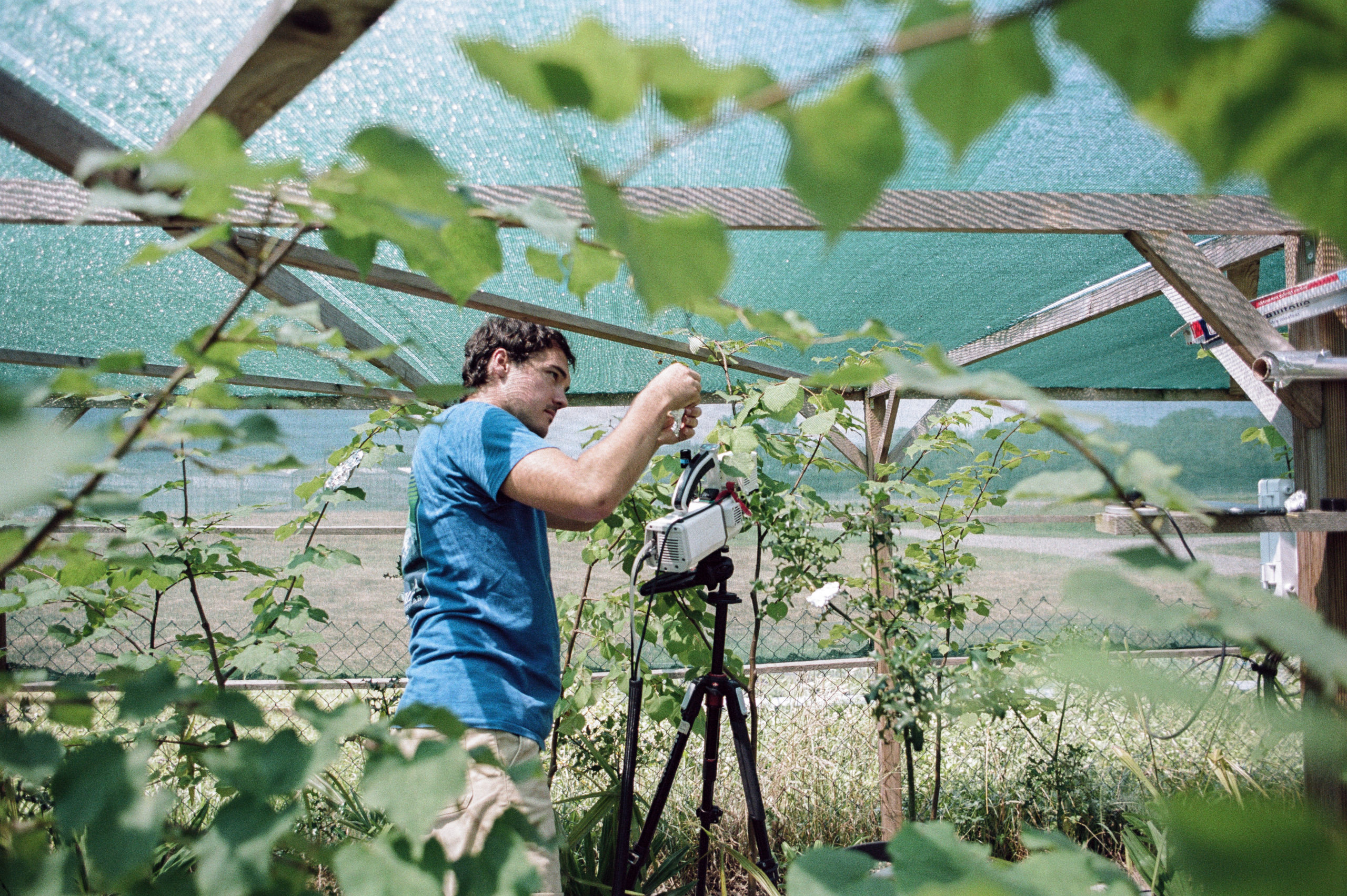
Trees can live for more than 1,000 years, while current climate models predict climate change of just over 100 years in the future. What will happen afterwards? A collaboration between the EPFL Plant Ecology Research Lab (PERL), performance artist Maja Renn and designer and artist Krzysztof Wronski has given rise to a speculative journey through time and into the near future of indigenous trees.
What role do trees play in human society? How are they adapting to climate change? Can technology support this adaptation process? And what can humans learn from trees?


ENTANGLED FORESTS
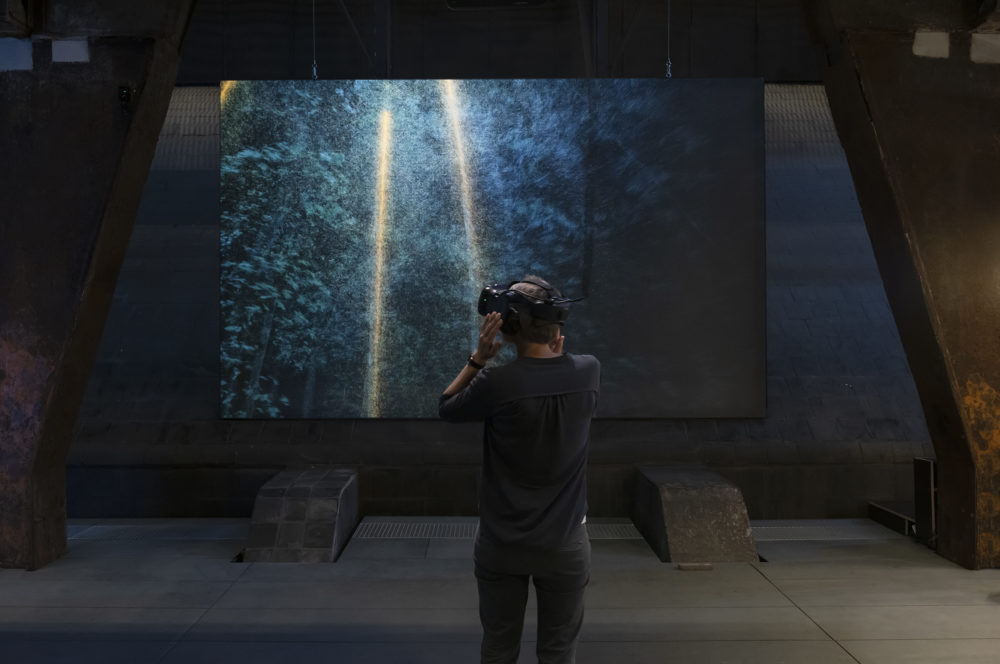
Dear2050: Entangled Forests presented artistic and scientific projects that focus on forests in a changing climate and invited us to reflect on our relationship with the forest. What significance have forests for us? What would trees say, if they could talk to us? And what is the future of forests going to be like?
What can forests tell us about life and death, transience and memory, empathy and identity? The group exhibition was created in collaboration with the Plant Ecology Research Lab (PERL) at the EPFL in Lausanne. The research group investigates the ecological processes of adaptation that plants undergo when exposed to climatic stress.


Oceans on the rise
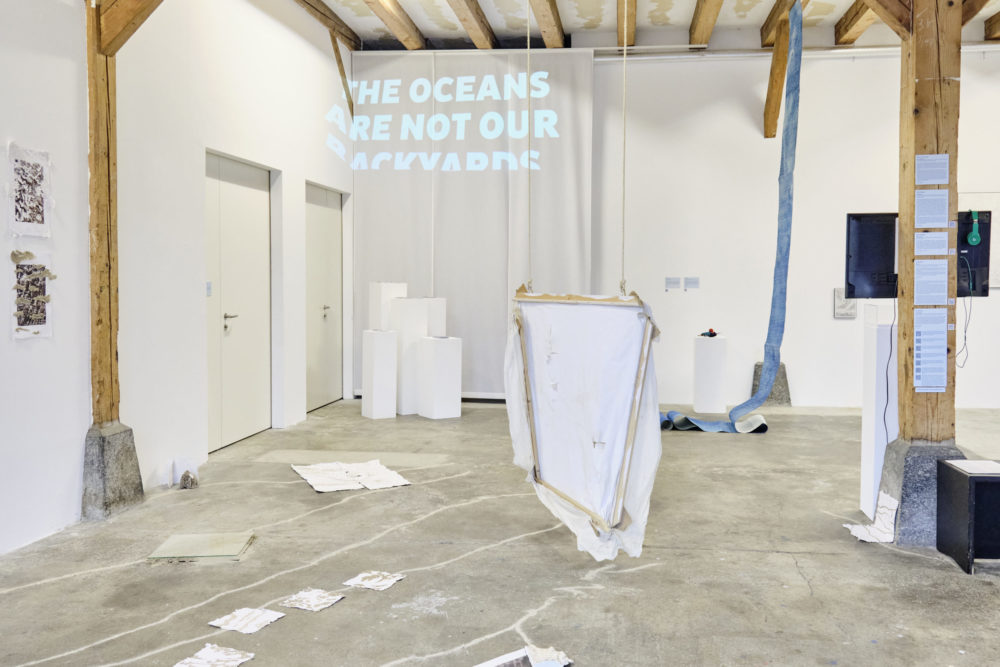
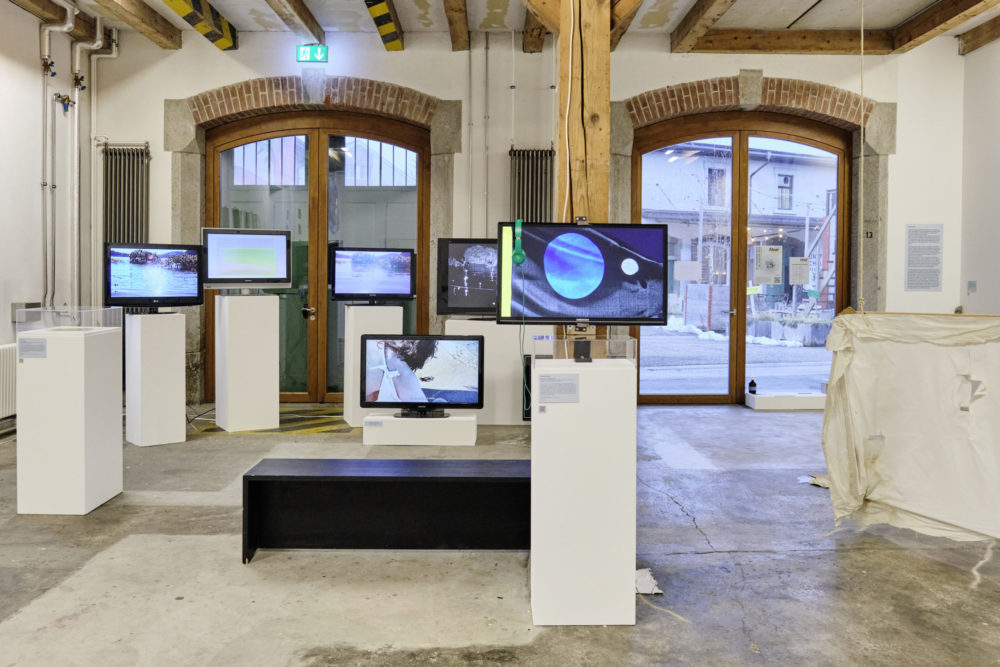
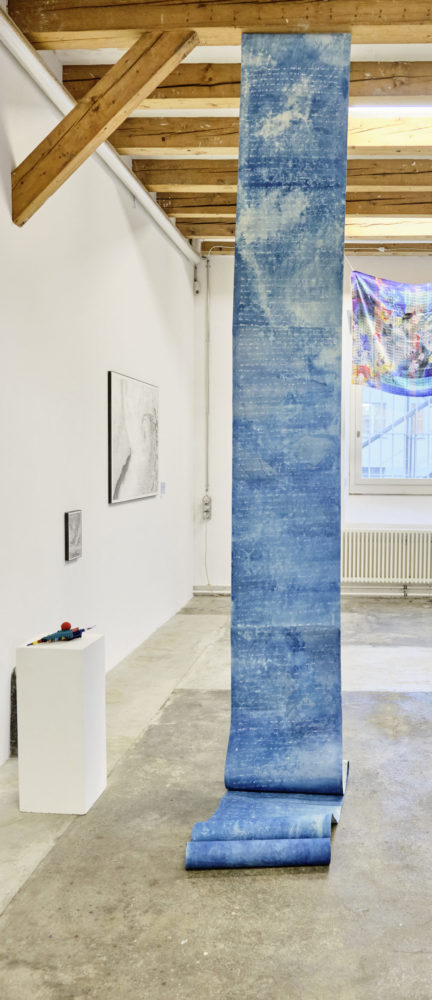
The exhibition Dear2050: Oceans on the rise was shown from 12 December 2021 to 30 January 2022 in Kunst(Zeug)Haus Rapperswil and from 12 February to 12 March 2022 in Kammgarn West Schaffhausen.
70% of the Earth’s surface consists of oceans. They contain 97% of the Earth’s total water and give the planet its blue colour when viewed from space. More than 78% of the Earth’s total biomass lives in the sea. The oceans regulate the climate. They store half of all CO₂ emissions and 90% of the excess heat from the atmosphere. All of the Earth’s water flows into the sea.
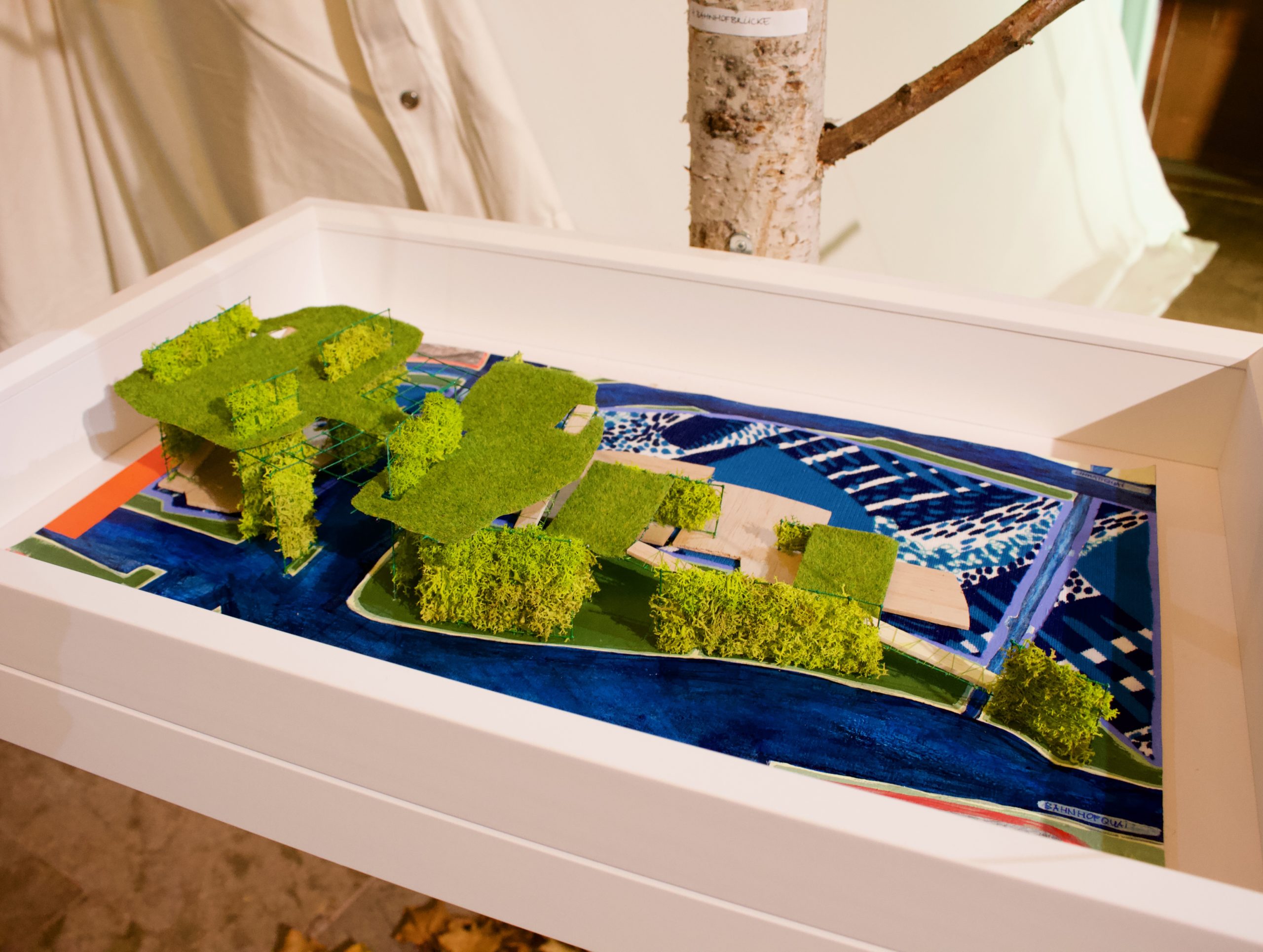
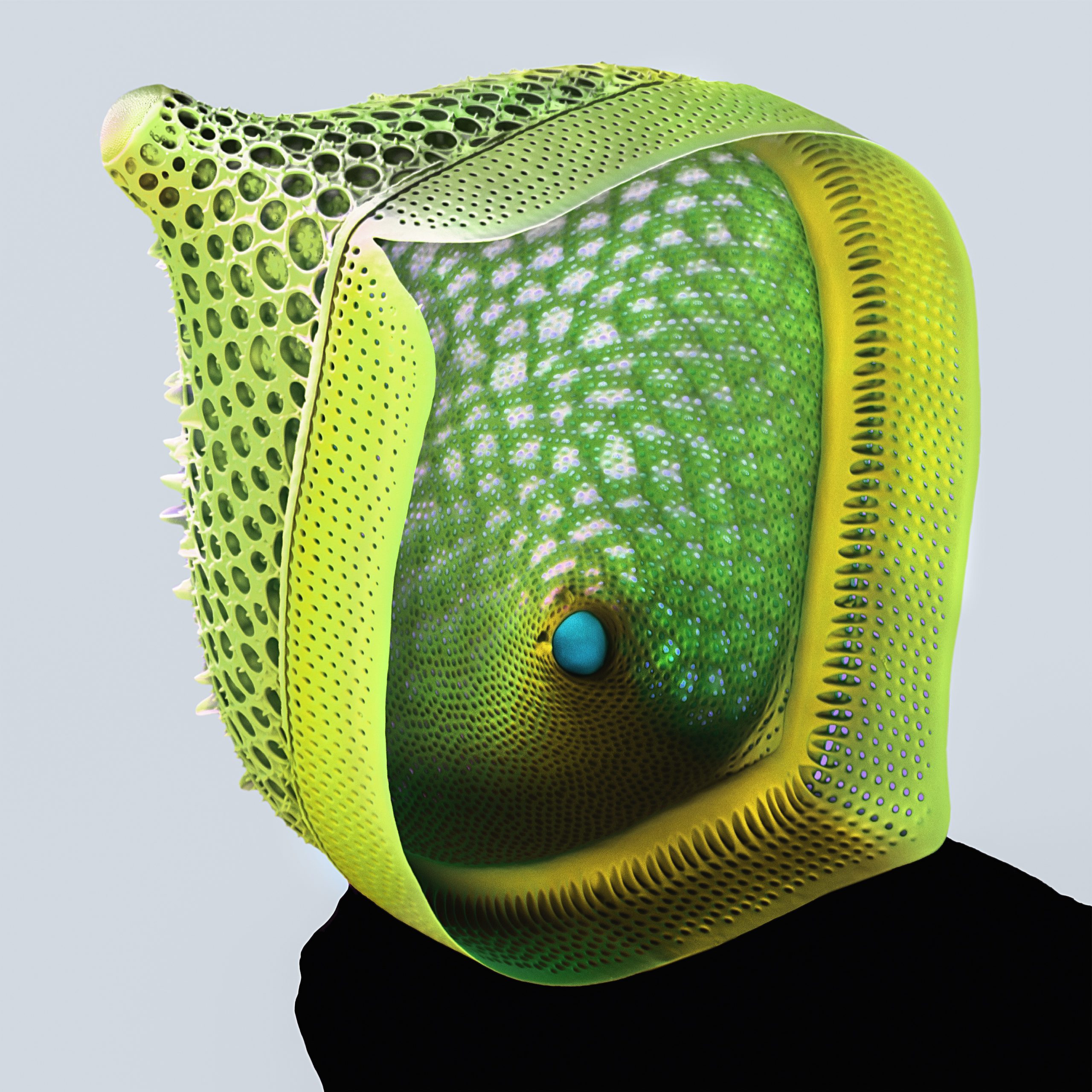
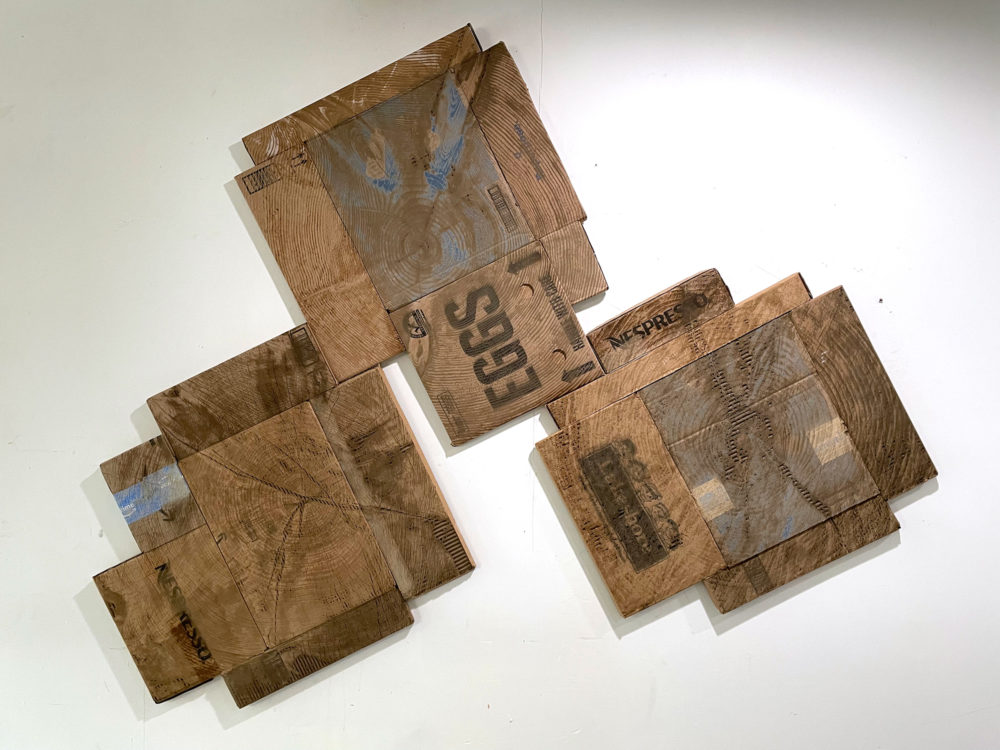
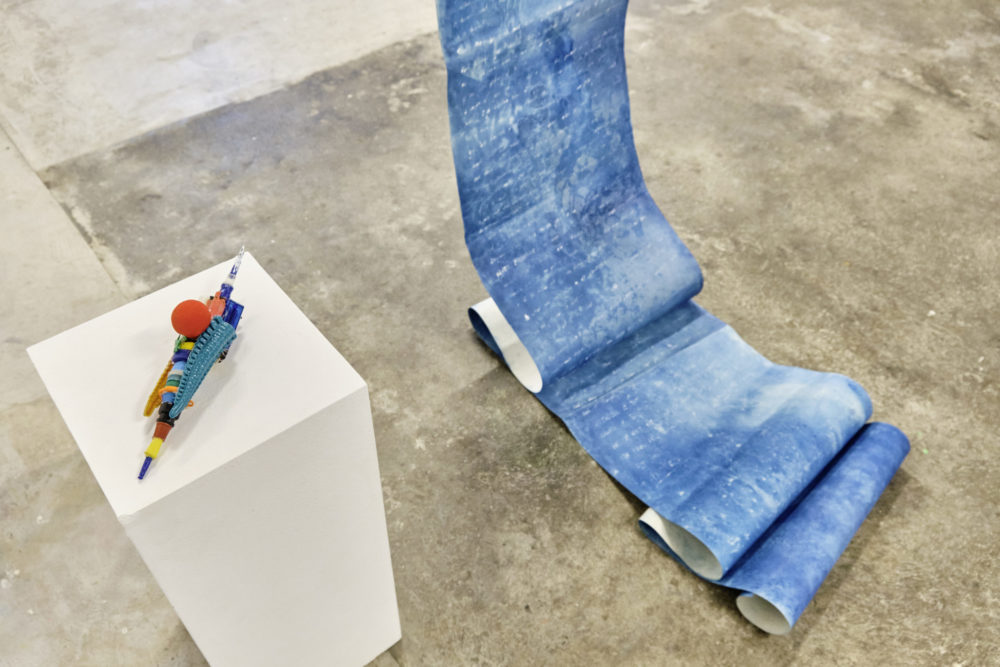
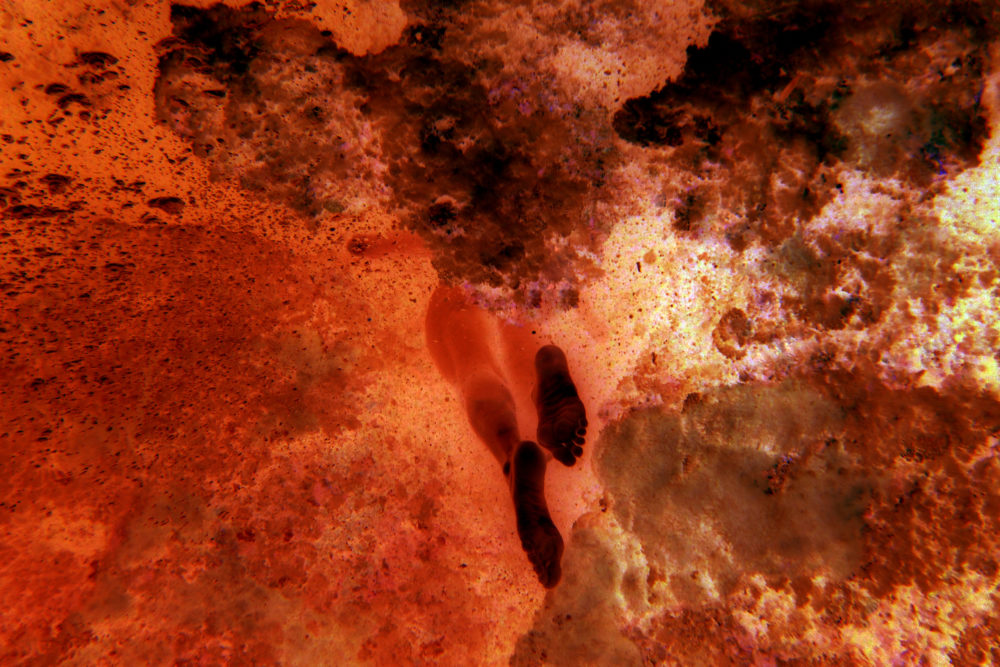
The exhibition Dear2050: Oceans on the rise showed 18 artistic and scientific positions in a message to the year 2050 – the year in which the world is supposed to be climate neutral according to the Paris Agreement. The scientists and artists have researched algae, measured the coast, documented the tides and built coastal cities of the future. The exhibition showed how closely human society is connected to the sea and how climate change is already affecting it. And how our future could look together with more sea.

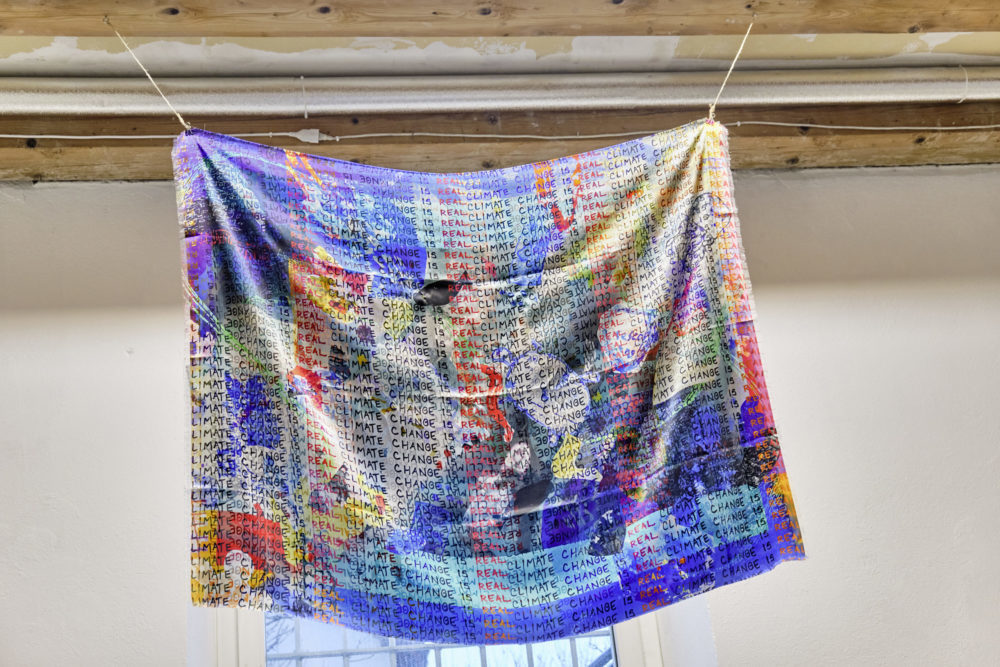
Humans respond to climate change
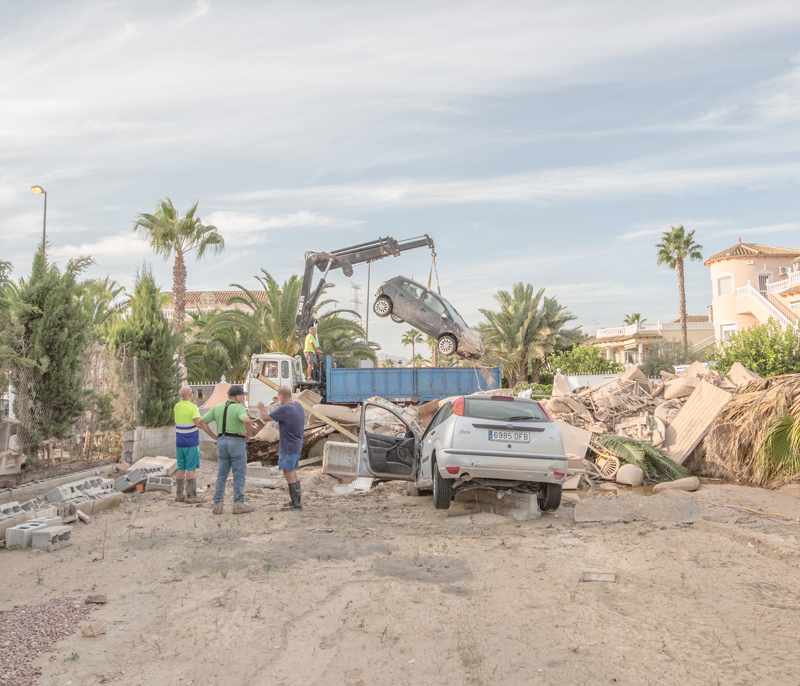
Western society’s contact points to the climate crisis are often blunt and shallow: Sensational headlines cherry picked from research, antagonistic denials on social media, superficial – and often cynical – pledges by corporations, attention demanding demonstrations, or overwhelming news of natural disasters in far off locations. While some highlight the urgency of the crisis, they also lead to feelings of paralysis.
The exhibition DEAR2050: Humans respond to Climate Change allowed contributors and visitors alike to explore humanity’s response to climate change in strategic, practical, cultural, and emotional aspects